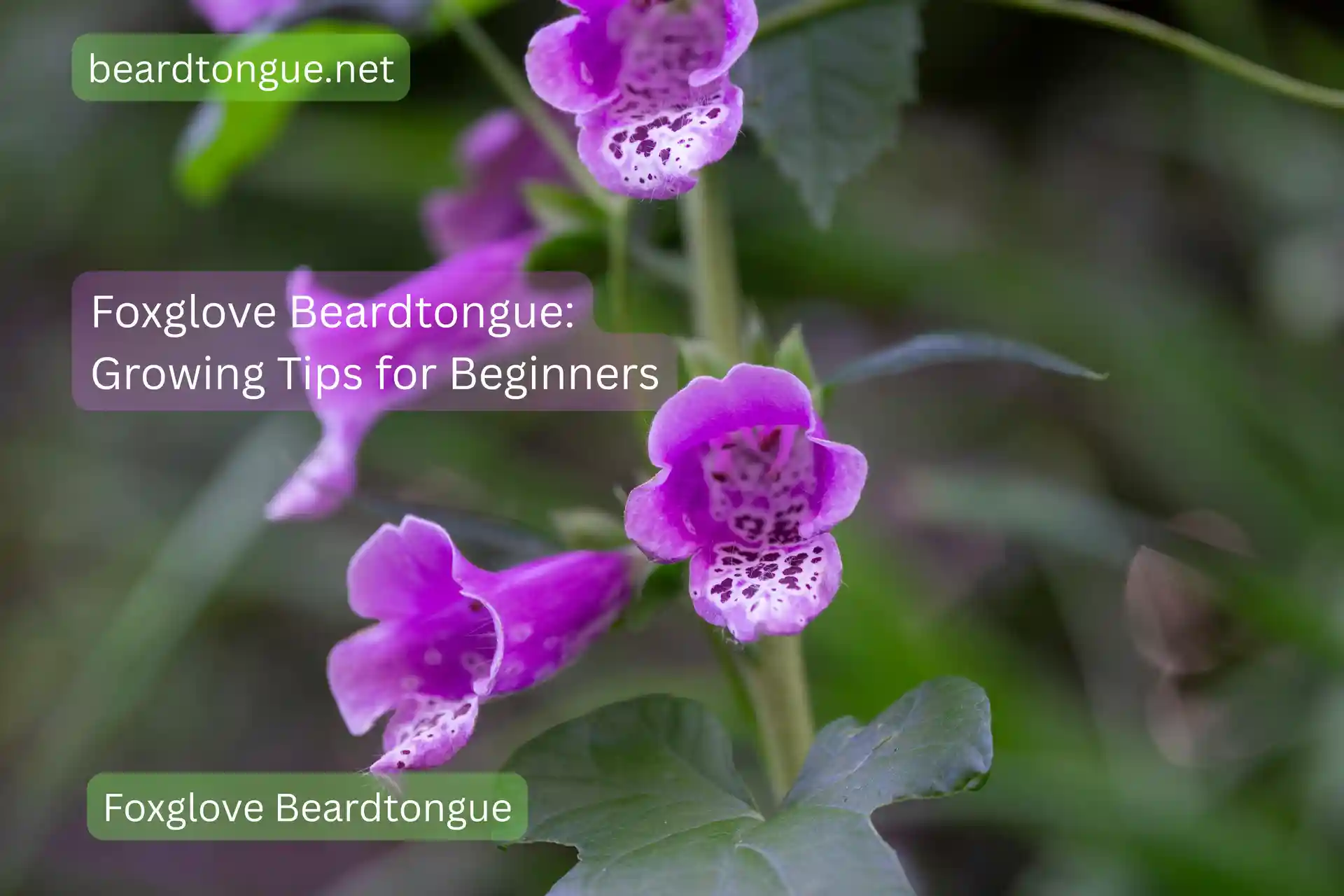
Why Gardeners Are Falling in Love With Foxglove Beardtongue
If you’re searching for a low-maintenance plant that looks stunning, supports pollinators, and thrives in tough conditions, foxglove beardtongue might be exactly what your garden needs.
Picture this: It’s late spring. Your garden is waking up. Suddenly, tall stems covered in elegant white, bell-shaped flowers appear. Bees start buzzing. Butterflies linger. Your garden feels alive — without constant watering or care.
That’s the magic of foxglove beardtongue.
This native wildflower is quickly becoming a favorite among:
- Beginner gardeners
- Pollinator garden enthusiasts
- Native plant lovers
- Landscape designers
- Low-maintenance garden planners
In this complete guide, you’ll learn everything — from planting and care to landscaping ideas and expert tips — so you can successfully grow foxglove beardtongue like a pro.
What Is Foxglove Beardtongue?
Foxglove beardtongue (scientific name: Penstemon digitalis) is a native North American perennial known for its:
- Tall upright flower spikes
- White tubular blooms
- Glossy green leaves
- Drought tolerance
- Pollinator-friendly nature
Despite its name, it’s not related to foxglove. The “beardtongue” nickname comes from the fuzzy stamen inside the flower that resembles a tiny beard.
Quick Plant Facts
- Plant Type: Perennial wildflower
- Height: 2–5 feet
- Spread: 1–2 feet
- Sun: Full sun to partial shade
- Soil: Well-drained
- Bloom Time: Late spring to early summer
- Water Needs: Low once established
- Hardiness Zones: 3–8
This makes foxglove beardtongue ideal for both beginner gardeners and experienced landscapers.
Why Grow Foxglove Beardtongue in Your Garden?
There are dozens of reasons this plant is gaining popularity, but a few stand out.
1. Extremely Low Maintenance
Once established, foxglove beardtongue practically takes care of itself.
You don’t need:
- Frequent watering
- Fertilizer
- Special soil
- Constant pruning
It thrives in average conditions.
2. A Pollinator Magnet
Studies from pollinator gardens show native plants attract 3–4x more pollinators than non-native species. Foxglove beardtongue is especially loved by:
- Bumblebees
- Honeybees
- Hummingbirds
- Butterflies
- Native solitary bees
This makes it perfect for eco-friendly gardens.
3. Drought Tolerant and Tough
After the first season, foxglove beardtongue tolerates:
- Dry soil
- Heat
- Poor soil conditions
- Clay soil
- Rocky landscapes
This makes it ideal for modern low-water landscaping.
4. Beautiful Vertical Interest
Garden designers love foxglove beardtongue because it adds height and structure.
It pairs beautifully with:
- Coneflowers
- Black-eyed Susans
- Grasses
- Lavender
- Coreopsis
How to Grow Foxglove Beardtongue (Step-by-Step)
Growing foxglove beardtongue is surprisingly easy, even if you’re a beginner.
Step 1: Choose the Right Location
Foxglove beardtongue grows best in:
- Full sun (best blooms)
- Partial shade (hot climates)
- Well-drained soil
- Open garden beds
Avoid soggy or poorly drained soil.
Step 2: Planting From Seeds
Seeds are the most affordable way to grow foxglove beardtongue.
When to Plant Seeds
- Fall (best for natural stratification)
- Early spring (after cold treatment)
How to Plant
- Scatter seeds on soil surface
- Lightly press into soil
- Do NOT cover deeply
- Water gently
- Keep soil lightly moist
Germination usually occurs in 10–21 days.
Step 3: Planting From Nursery Plants
This is the fastest option.
- Dig hole twice as wide
- Keep same planting depth
- Water thoroughly
- Mulch lightly
Plants establish quickly.
Foxglove Beardtongue Care Guide
Once planted, this plant requires minimal care.
Watering
- First year: water weekly
- After establishment: water only during drought
- Avoid overwatering
Overwatering is the most common mistake.
Sunlight Requirements
Best performance in:
- Full sun (6+ hours)
- Partial shade (acceptable)
Too much shade = fewer flowers.
Soil Requirements
Foxglove beardtongue prefers:
- Well-drained soil
- Average fertility
- Neutral to slightly acidic pH
It even tolerates:
- Clay soil
- Sandy soil
- Rocky ground
Fertilizing
You usually don’t need fertilizer.
Too much fertilizer causes:
- Leggy growth
- Fewer blooms
- Weak stems
If needed, use compost once per year.
When Does Foxglove Beardtongue Bloom?
Foxglove beardtongue typically blooms:
- Late spring
- Early summer
- May–June (most regions)
Blooms last about 3–4 weeks.
After blooming, the plant forms attractive seed pods that:
- Feed birds
- Add texture
- Self-seed naturally
Landscaping Ideas With Foxglove Beardtongue
This plant is incredibly versatile in landscaping.
1. Pollinator Garden
Combine with:
- Purple coneflower
- Bee balm
- Milkweed
- Coreopsis
This creates a wildlife-friendly habitat.
2. Cottage Garden Style
Foxglove beardtongue fits perfectly in informal gardens.
Plant alongside:
- Salvia
- Lavender
- Roses
- Yarrow
The white blooms soften colorful plantings.
3. Native Plant Garden
Use foxglove beardtongue as a foundation plant.
Benefits:
- Supports biodiversity
- Low maintenance
- Natural look
4. Border Planting
Place in middle or back of border beds.
It adds:
- Height
- Texture
- Seasonal interest
Companion Plants for Foxglove Beardtongue
Best companion plants include:
- Coneflower
- Black-eyed Susan
- Switchgrass
- Little bluestem
- Butterfly weed
- Blanket flower
- Prairie dropseed
These plants share similar growing conditions.
Common Problems and How to Fix Them
Foxglove beardtongue is mostly trouble-free, but a few issues can occur.
1. Floppy Stems
Cause:
- Too much shade
- Overfertilization
Fix:
- Move to sunnier location
- Reduce fertilizer
2. Root Rot
Cause:
- Poor drainage
- Overwatering
Fix:
- Improve soil drainage
- Water less
3. Self-Seeding Too Much
Some gardeners love this — others don’t.
Control by:
- Deadheading flowers
- Removing seed pods
- Pulling seedlings early
Pruning and Maintenance Tips
Foxglove beardtongue doesn’t require heavy pruning.
But these tips help:
- Deadhead after bloom for tidy look
- Leave seed heads for birds
- Cut back in fall or early spring
- Divide every 3–4 years if crowded
Minimal effort, big rewards.
Is Foxglove Beardtongue Deer Resistant?
Yes — mostly.
Deer typically avoid foxglove beardtongue because of:
- Slightly bitter taste
- Tough leaves
- Native plant characteristics
However, hungry deer may still nibble young plants.
Benefits of Foxglove Beardtongue for Pollinators
This plant is a powerhouse for wildlife.
It supports:
- Native bees
- Bumblebees
- Butterflies
- Hummingbirds
- Beneficial insects
The tubular flowers are especially attractive to long-tongued bees.
In ecological gardens, foxglove beardtongue improves biodiversity dramatically.
Should You Grow Foxglove Beardtongue From Seed or Plants?
Both options work well.
Choose Seeds If:
- You want budget-friendly option
- You’re planting large areas
- You like naturalized gardens
Choose Plants If:
- You want faster blooms
- You prefer structured gardens
- You want immediate impact
FAQs About Foxglove Beardtongue
1. Is foxglov
e beardtongue invasive?
No. Foxglove beardtongue is not invasive. It may self-seed gently but is easy to control and beneficial for native ecosystems.
2. Does foxglove beardtongue spread?
It spreads slowly through seeds, not aggressively. Most gardeners consider it well-behaved.
3. Is foxglove beardtongue perennial?
Yes. It’s a hardy perennial that returns every year in suitable climates.
4. Can foxglove beardtongue grow in shade?
It tolerates partial shade, but full sun produces more flowers and stronger stems.
5. When should I plant foxglove beardtongue?
Plant in:
- Fall (best for seeds)
- Spring (plants or seeds)
Both seasons work well.
Expert Tips for Growing Foxglove Beardtongue Successfully
Follow these pro tips:
- Plant in groups for best visual impact
- Mix with purple flowers for contrast
- Avoid overly rich soil
- Let some plants self-seed naturally
- Use in pollinator-focused gardens
- Combine with ornamental grasses
These strategies create stunning landscapes.
Conclusion: Why Foxglove Beardtongue Deserves a Spot in Your Garden
Foxglove beardtongue checks all the boxes:
- Easy to grow
- Beautiful blooms
- Pollinator-friendly
- Drought tolerant
- Low maintenance
- Native plant benefits
Whether you’re creating a pollinator garden, cottage landscape, or low-maintenance yard, this versatile perennial delivers both beauty and function.
Start with just a few plants — and you’ll likely find yourself adding more next season.
Its graceful white flowers, wildlife benefits, and resilience make foxglove beardtongue one of the best native plants you can grow.
Want more plant guides, gardening tips, and landscaping ideas?
Explore more articles on our website and discover the best plants to transform your garden into a thriving, beautiful space.