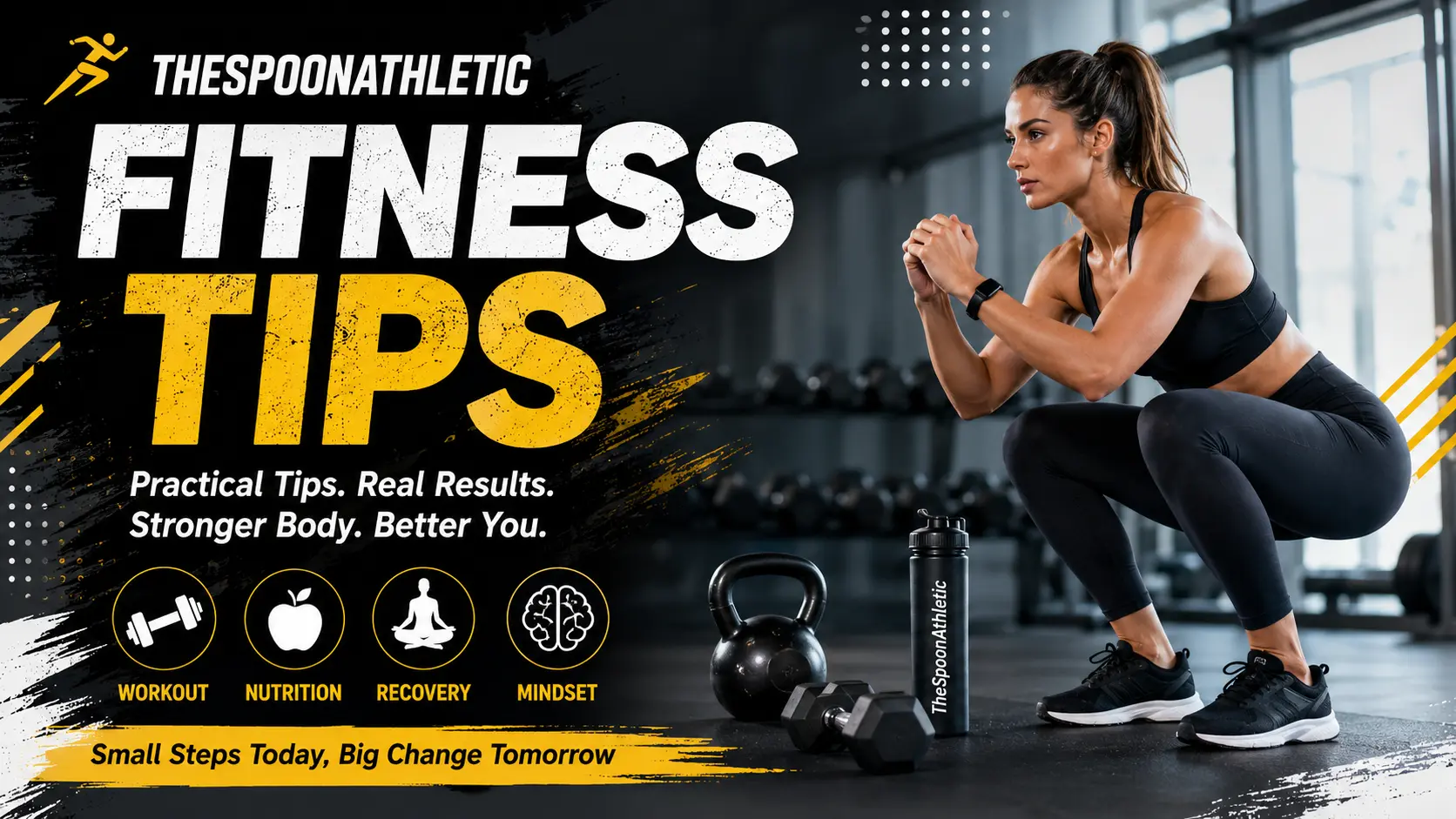
 If you’ve ever started a fitness journey, you probably know how overwhelming it can feel. One day you’re motivated and ready to conquer the world; the next day you’re wondering whether a 10-minute walk counts as exercise. The truth is that fitness isn’t about perfection—it’s about consistency, smart habits, and sustainable progress.
That’s where TheSpoonAthletic Fitness Tips come into play. Rather than promoting extreme workouts or unrealistic expectations, these fitness principles focus on practical strategies that fit into everyday life. Whether you’re a beginner trying to build healthy habits or an experienced athlete looking to improve performance, the right approach can make all the difference.
In this guide, we’ll explore proven fitness techniques, nutrition habits, recovery strategies, and mindset shifts that can help you achieve lasting results. By the end, you’ll have a clear roadmap for building a healthier and more active lifestyle.
Why Fitness Matters More Than Ever
Modern lifestyles have made movement optional. Many of us spend hours sitting at desks, driving cars, or scrolling through screens. While technology has made life easier, it has also reduced our daily physical activity.
Regular exercise offers benefits far beyond physical appearance:
- Improves cardiovascular health
- Boosts energy levels
- Enhances mental clarity
- Supports weight management
- Strengthens muscles and bones
- Reduces stress and anxiety
- Improves sleep quality
- Increases longevity
The best fitness plan isn’t necessarily the most intense one—it’s the one you’ll actually stick with.
The Core Philosophy Behind TheSpoonAthletic Fitness Tips
One of the biggest misconceptions about fitness is that success requires drastic changes. In reality, small daily improvements often produce the most sustainable results.
The core principles include:
Consistency Over Intensity
Many people start with excessive enthusiasm and burn out within weeks. A moderate workout routine performed consistently will outperform sporadic intense training.
For example:
- Walking 30 minutes daily is better than one exhausting workout per week.
- Three strength-training sessions weekly can produce remarkable results over time.
Progress Over Perfection
You don’t need perfect workouts or perfect nutrition.
What matters is:
- Showing up regularly
- Learning from mistakes
- Gradually improving habits
Think of fitness as building a house brick by brick rather than trying to construct it overnight.
Build a Workout Routine That Actually Works
A balanced fitness routine should include multiple forms of exercise.
Strength Training
Strength training is one of the most effective ways to improve body composition and overall health.
Benefits include:
- Increased muscle mass
- Faster metabolism
- Better posture
- Improved bone density
- Enhanced athletic performance
Begin with basic compound movements:
- Squats
- Push-ups
- Deadlifts
- Lunges
- Pull-ups
- Bench presses
Aim for:
- 2–4 sessions per week
- Progressive overload
- Proper form over heavy weights
Cardiovascular Exercise
Cardio strengthens your heart and lungs while improving endurance.
Popular options include:
- Walking
- Running
- Cycling
- Swimming
- Rowing
- Jump rope
A practical goal is:
- 150 minutes of moderate cardio weekly
- Or 75 minutes of vigorous cardio
Mobility and Flexibility
Many people ignore flexibility until they experience pain or stiffness.
Mobility exercises help:
- Improve movement quality
- Reduce injury risk
- Enhance athletic performance
Try incorporating:
- Dynamic stretching
- Yoga sessions
- Mobility drills
- Foam rolling
Even 10 minutes daily can make a noticeable difference.
Nutrition Tips That Support Fitness Goals
Exercise alone won’t maximize your results. Nutrition provides the fuel your body needs to perform and recover.
Prioritize Protein
Protein is essential for:
- Muscle growth
- Recovery
- Satiety
- Metabolic health
Excellent protein sources include:
- Chicken breast
- Fish
- Eggs
- Greek yogurt
- Lean beef
- Tofu
- Lentils
- Beans
Many active individuals aim for protein at every meal.
Eat Whole Foods Most of the Time
Whole foods provide valuable nutrients that processed foods often lack.
Focus on:
- Vegetables
- Fruits
- Whole grains
- Lean proteins
- Healthy fats
The goal isn’t restriction. Instead, think of creating a plate that nourishes your body while still allowing room for occasional treats.
Stay Hydrated
Hydration affects nearly every aspect of physical performance.
Benefits of proper hydration include:
- Better energy levels
- Improved endurance
- Enhanced recovery
- Reduced muscle cramps
Simple hydration tips:
- Carry a reusable water bottle
- Drink water throughout the day
- Increase intake during workouts
- Monitor urine color as a hydration indicator
The Importance of Recovery
Many people focus entirely on workouts while neglecting recovery.
Ironically, recovery is where much of the progress happens.
Prioritize Sleep
Sleep acts as the body’s repair system.
During quality sleep:
- Muscles recover
- Hormones regulate
- Energy stores replenish
- Cognitive performance improves
Aim for:
- 7–9 hours nightly
- Consistent sleep schedule
- Limited screen exposure before bed
Schedule Rest Days
Rest days are not signs of weakness.
They help:
- Prevent overtraining
- Reduce injury risk
- Improve long-term performance
Active recovery activities may include:
- Walking
- Stretching
- Yoga
- Light cycling
How to Stay Motivated Long-Term
Motivation is helpful, but it isn’t reliable.
Successful individuals build systems rather than relying on temporary inspiration.
Set Clear Goals
Goals provide direction and purpose.
Examples include:
- Losing 15 pounds
- Running a 5K
- Completing 10 pull-ups
- Exercising four times weekly
Use the SMART framework:
- Specific
- Measurable
- Achievable
- Relevant
- Time-bound
Track Your Progress
Tracking creates awareness and accountability.
You can monitor:
- Body measurements
- Workout performance
- Energy levels
- Step counts
- Weight changes
Sometimes the scale doesn’t move, but strength and endurance improve dramatically.
Celebrate Small Wins
Progress deserves recognition.
Celebrate achievements like:
- Completing a workout streak
- Lifting heavier weights
- Drinking more water
- Making healthier food choices
Small victories build momentum.
Common Fitness Mistakes to Avoid
Even motivated individuals can sabotage their progress by making avoidable mistakes.
Doing Too Much Too Soon
A sudden jump into intense training often leads to:
- Burnout
- Injury
- Frustration
Start gradually and increase workload over time.
Ignoring Nutrition
You cannot consistently out-train poor eating habits.
A balanced nutrition plan amplifies the benefits of exercise.
Comparing Yourself to Others
Fitness journeys are highly individual.
Someone else’s chapter twenty shouldn’t become the standard for your chapter one.
Focus on your own improvements.
Skipping Recovery
Recovery is not optional.
Without adequate rest:
- Performance declines
- Injury risk increases
- Motivation drops
Fitness Tips for Beginners
If you’re just getting started, keep things simple.
Start with Walking
Walking remains one of the most underrated forms of exercise.
Benefits include:
- Low injury risk
- Improved cardiovascular health
- Better mood
- Increased calorie expenditure
Aim for 20–30 minutes daily.
Master Basic Movements
Before chasing advanced exercises, learn:
- Squatting
- Pushing
- Pulling
- Hinging
- Carrying
These movement patterns form the foundation of effective training.
Create a Schedule
Treat workouts like important appointments.
Consistency becomes easier when exercise is built into your routine.
Advanced TheSpoonAthletic Fitness Tips for Experienced Athletes
Once you’ve established a solid foundation, advanced strategies can accelerate progress.
Progressive Overload
Gradually increase training demands by:
- Adding weight
- Increasing repetitions
- Reducing rest periods
- Improving technique
This continual challenge drives adaptation.
Periodization
Athletes often cycle training intensity to maximize performance and recovery.
Training phases may focus on:
- Strength
- Muscle growth
- Endurance
- Performance
Periodization helps prevent plateaus.
Recovery Monitoring
Experienced athletes track recovery indicators such as:
- Resting heart rate
- Sleep quality
- Energy levels
- Training performance
These metrics help optimize results.
The Mental Side of Fitness
Physical transformation begins in the mind.
A strong mindset helps you:
- Overcome setbacks
- Maintain consistency
- Build discipline
- Develop confidence
One powerful shift is viewing exercise as self-investment rather than punishment.
Instead of asking:
“Do I have to work out today?”
Ask:
“What kind of future health am I building today?”
That subtle perspective change can transform your relationship with fitness.
Creating a Sustainable Healthy Lifestyle
The most effective fitness programs are sustainable.
Long-term success comes from habits such as:
- Regular exercise
- Balanced nutrition
- Quality sleep
- Stress management
- Consistent hydration
Think of health like a savings account. Every healthy choice is a small deposit that compounds over time.
You don’t need perfection.
You simply need enough good decisions, repeated consistently, to move in the right direction.
Frequently Asked Questions (FAQs)
What are TheSpoonAthletic Fitness Tips?
TheSpoonAthletic Fitness Tips focus on practical fitness strategies, including consistent exercise, balanced nutrition, proper recovery, and sustainable lifestyle habits that support long-term health and performance.
How often should I work out each week?
Most adults benefit from 3–5 workout sessions per week, combining strength training, cardiovascular exercise, and mobility work.
Is nutrition more important than exercise?
Both are important, but nutrition often has a greater impact on body composition and overall health. The best results come from combining healthy eating with regular physical activity.
How long does it take to see fitness results?
Many people notice improvements in energy and mood within a few weeks. Visible physical changes often appear after 6–12 weeks of consistent effort.
Can beginners follow these fitness tips?
Absolutely. These strategies are designed to work for all fitness levels and can be adjusted according to individual goals and abilities.
What’s the biggest mistake people make when starting fitness?
Trying to do too much too soon. Sustainable progress comes from consistency, not extreme workouts or restrictive diets.