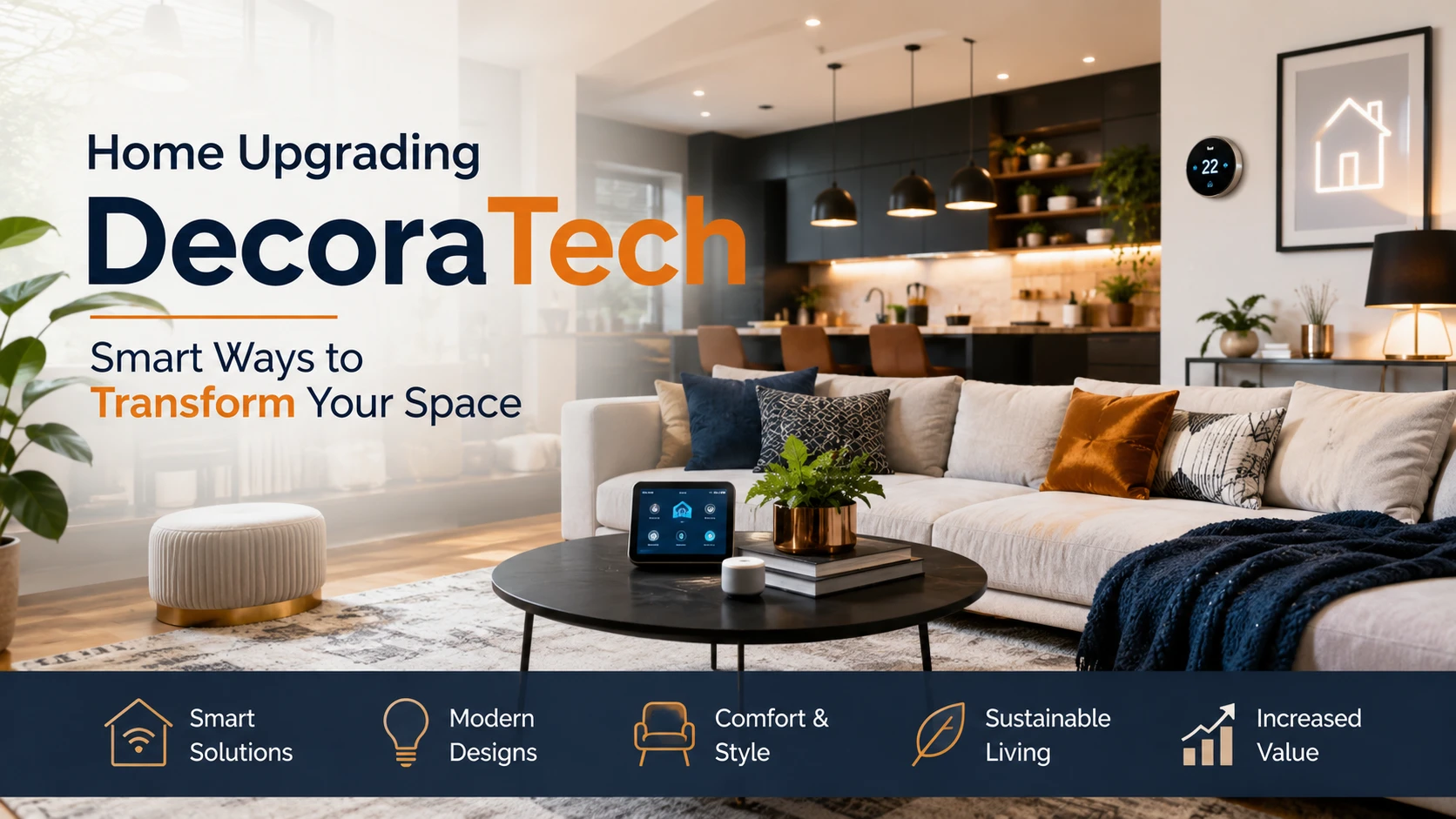
Walk into any room in your house and you can probably name three things you’d change if you had the time, budget, or know-how. Maybe it’s a kitchen that feels stuck in 2005, a living room with no personality, or a bathroom that just doesn’t work for your morning routine anymore. You’re not alone — most homeowners live with these small frustrations for years before finally doing something about them.
That’s where upgrades home DecoraTech comes in. It’s not about tearing your house down to the studs or spending a fortune on a renovation you’ll regret. It’s about making smart, deliberate choices — some big, some surprisingly small — that add function, comfort, and value to the place you live in every day.
In this guide, we’ll walk through what home upgrade DecoraTech actually means in practice, which rooms give you the best return on your effort, how to plan a project without losing your mind (or your budget), and answers to the questions homeowners ask most often before they get started.
What Does “Upgrades Home DecoraTech” Actually Mean?
At its core, upgrades home DecoraTech is about combining thoughtful design with practical technology and materials to improve how a home looks, feels, and functions. It’s a broader idea than a typical “home decor” refresh because it factors in three things at once:
- Aesthetics — how a space looks and how the pieces in it work together
- Function — whether the room actually serves the way you live
- Efficiency — smarter materials, layouts, and technology that reduce waste, save time, or cut costs
A living room upgrade under this approach isn’t just new throw pillows and a coat of paint. It might mean rethinking the layout for better traffic flow, adding smart lighting that adjusts to the time of day, and choosing furniture that’s both stylish and durable. The goal is a home that works harder for you without feeling cluttered or overdone.
Why Homeowners Are Prioritizing This Now
More people are spending time at home than they did a decade ago, whether that’s remote work, hobbies, or simply choosing to entertain at home more often. That shift has changed what people expect from their living spaces. A home isn’t just somewhere you sleep — it’s an office, a gym, a place to host friends, and a retreat all at once. Upgrading with that reality in mind, rather than just following whatever trend is popular that year, tends to produce results people are actually happy with five years later.
Planning Your Home Upgrade DecoraTech Project
Before you buy a single paint swatch, it helps to have a plan. Jumping straight into a project without one is the fastest way to overspend and end up with a half-finished room.
Start With a Walkthrough and a Wish List
Go room by room and write down what bothers you and what you’d like to change. Be specific. “The kitchen feels cramped” is a starting point, but “there’s no counter space near the stove” is something you can actually design around.
Set a Realistic Budget
A common mistake is budgeting for materials and forgetting labor, permits, or the inevitable surprise cost that shows up once you open a wall or pull up old flooring. A good rule of thumb is to add a 15-20% buffer on top of your initial estimate for the unexpected.
Prioritize by Impact, Not Just Cost
Not every upgrade needs the same amount of money to make a difference. Swapping out dated cabinet hardware or updating light fixtures can transform a room for relatively little, while a full kitchen remodel is a much bigger undertaking. Rank your wish list by how much visible or functional impact each item will have, then work down the list as budget allows.
Room-by-Room Upgrade Ideas That Make a Real Difference
Kitchen Upgrades
The kitchen is usually the room with the highest return on a well-planned upgrade, both in daily satisfaction and resale value. Consider:
- Replacing outdated countertops with quartz or butcher block for a modern, durable surface
- Installing under-cabinet lighting to brighten workspaces without harsh overhead light
- Adding a smart faucet or touchless fixtures for convenience and hygiene
- Repainting or refacing cabinets instead of a full replacement to save on cost
Living Room Transformations
The living room sets the tone for the rest of the house since it’s usually the first space guests see. Small, well-placed changes go a long way:
- Layer lighting with floor lamps, table lamps, and dimmable overheads instead of relying on one ceiling fixture
- Choose a statement rug that anchors the seating area and adds warmth
- Rearrange furniture to open up walking paths and create better conversation zones
- Add smart plugs or a smart hub so lighting and entertainment systems work together
Bathroom Refreshes
Bathrooms don’t need a full gut renovation to feel new. Focus on:
- Re-grouting tile and replacing worn caulk, which instantly makes a bathroom look cleaner
- Upgrading to water-efficient fixtures that lower utility bills over time
- Adding a heated towel rack or better ventilation fan for comfort
- Swapping outdated mirrors and vanity lighting for a quick visual refresh
Bedroom Improvements
A bedroom upgrade should prioritize comfort and calm above all else:
- Invest in blackout or layered curtains for better light control and insulation
- Add closet organization systems to make the most of existing storage
- Choose a headboard or accent wall to give the room a focal point
- Bring in soft, warm-toned lighting instead of bright white bulbs for a more restful feel
Outdoor and Curb Appeal Upgrades
Don’t overlook the outside of your home. A fresh coat of paint on the front door, updated house numbers, and well-maintained landscaping can make an outsized difference for relatively little investment. Outdoor lighting along walkways also adds both safety and style.
Smart Technology and Materials Worth Considering
Part of what separates a modern home upgrade DecoraTech approach from a purely cosmetic refresh is the smart use of technology and better materials:
- Smart thermostats that learn your schedule and reduce energy waste
- LED lighting systems with adjustable color temperature for different times of day
- Sustainable materials like reclaimed wood, low-VOC paint, and recycled tile, which are better for indoor air quality and the environment
- Smart locks and security systems that add convenience without sacrificing safety
These additions don’t need to happen all at once. Many homeowners start with one or two smart devices and expand the system over time as budget allows.
Common Mistakes to Avoid
- Skipping the planning stage and buying furniture or materials before measuring the space properly
- Ignoring lighting, which has one of the biggest visual impacts of any upgrade but often gets left until last
- Over-personalizing in ways that could hurt resale value, like bold permanent wallpaper in every room
- Underestimating timelines, especially for projects that involve contractors or custom orders
Frequently Asked Questions
What is the most cost-effective home upgrade to start with? Lighting and paint typically offer the best visual impact for the lowest cost. Updating fixtures, adding layered lighting, and repainting a room with a fresh, neutral color can transform a space in a weekend without a large budget.
How much should I budget for a full home decor upgrade? It depends heavily on scope, but a good approach is to price out each room’s priority items individually, then add a 15-20% buffer for unexpected costs. Tackling one or two rooms at a time is often more manageable than trying to upgrade the whole house at once.
Do I need a professional for a home upgrade DecoraTech project? Not always. Cosmetic changes like paint, lighting, hardware swaps, and furniture rearranging are typically DIY-friendly. Structural changes, electrical work, or plumbing upgrades should be handled by a licensed professional for safety and code compliance.
How long does a typical room upgrade take? A cosmetic refresh (paint, lighting, decor) can often be completed in a weekend. More involved upgrades like cabinet refacing or flooring replacement usually take one to two weeks depending on the size of the room and contractor availability.
Will these upgrades increase my home’s resale value? Kitchen and bathroom upgrades tend to offer the strongest return, followed by curb appeal improvements and energy-efficient additions like smart thermostats. Even smaller updates, like fresh paint and updated lighting, can make a home show better to potential buyers.
Final Thoughts and Next Steps
A home doesn’t need to be perfect to feel good to live in — it just needs to work for the people using it. Upgrades home DecoraTech is really about making intentional choices, room by room, that add up to a space that reflects how you actually live. Start small if you need to. A single upgraded room can teach you a lot about what you want from the rest of your home.
If you’re ready to start planning your own home upgrade DecoraTech project, begin with a walkthrough of your space, jot down your top priorities, and tackle one room at a time. Small, consistent changes almost always beat a rushed, all-at-once renovation — both for your budget and your sanity.
related posts on kitchen remodeling ideas, budget-friendly interior design tips, smart home device guides, and seasonal curb appeal checklists.