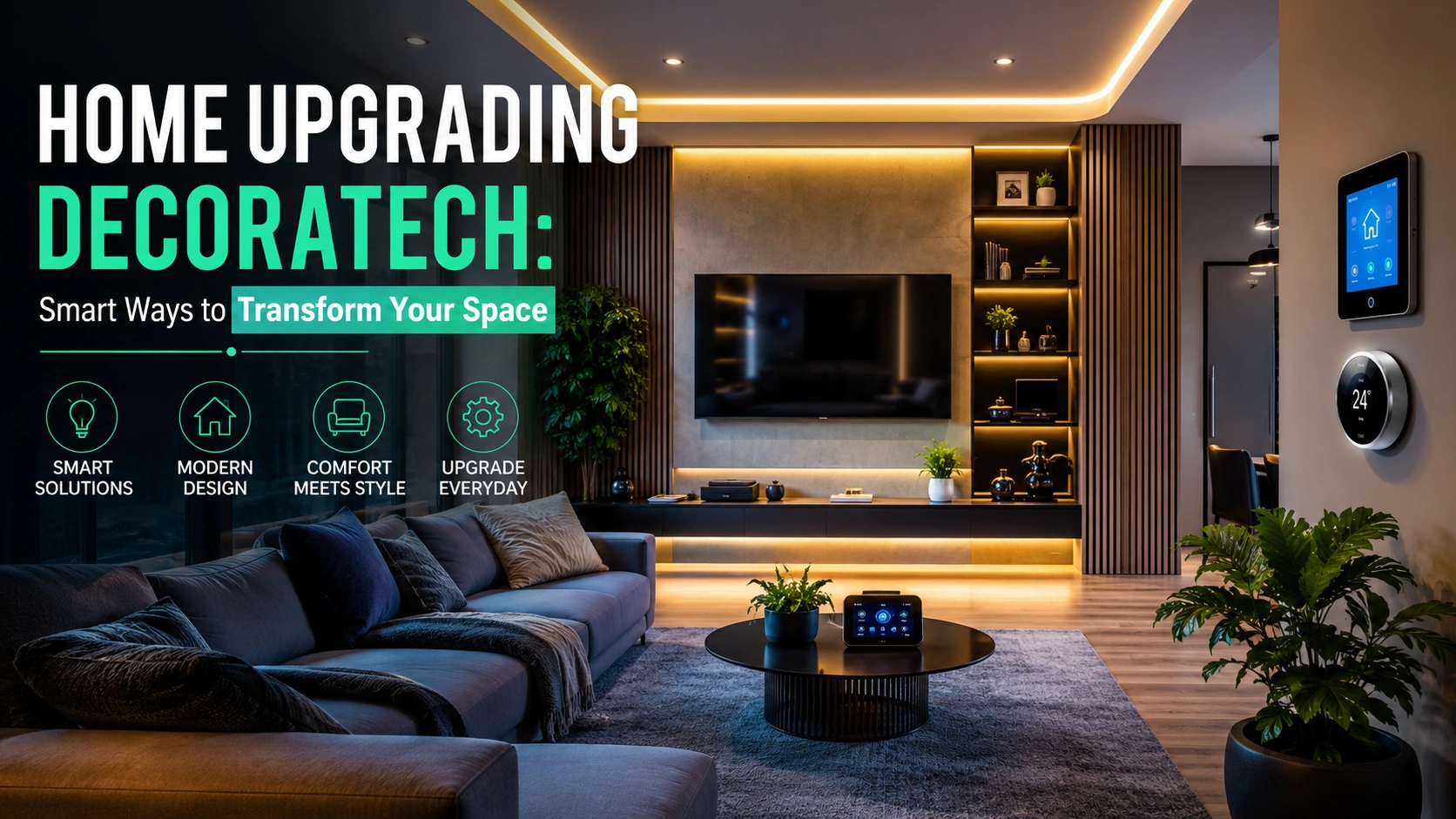
Walk into most homes today and you’ll notice something has shifted. Light switches talk back. Thermostats learn your habits before you’ve even settled into a new routine. Curtains open on their own schedule. This is the world of upgrades in home décor tech—where interior design and smart technology stop being separate conversations and start working as one.
If you’ve been putting off renovations because you weren’t sure where to start or you’ve been collecting bookmarked photos of sleek smart homes without a plan to actually build one, this guide is for you. We’ll walk through the most practical, high-impact ways to approach home upgrade/decor projects—room by room, budget by budget—so you can make decisions that actually fit your life instead of just following a trend.
By the end of this article, you’ll know which upgrades deliver the most value, how to sequence a renovation so nothing gets torn out twice, and how to avoid the common mistakes that turn an exciting project into an expensive headache.
What Does “DecoraTech” Actually Mean?
Before diving into specifics, it helps to define the term. DecoraTech is the blending of decor—the aesthetic, comfort-driven side of home design—with tech, the functional layer that makes a space smarter, more efficient, and more responsive to how you actually live.
It’s not just about installing gadgets. A smart speaker sitting awkwardly on a shelf isn’t decoratech; a lighting system that adjusts color temperature to match the mood of a room while also complementing your wall color and furniture—that’s decoratech done right. The goal is integration, not addition. Every upgrade should feel like it belongs, both visually and functionally.
This distinction matters because it changes how you shop and plan. Instead of asking, “What smart device should I buy next?” you start asking, “What does this room need to look better and work better at the same time?”
Why More Homeowners Are Investing in Home Upgrade DecoraTech Projects
A few forces are driving this trend, and understanding them can help you prioritize your own project.
Rising Energy Costs Are Pushing Efficiency Upgrades
Smart thermostats, automated blinds, and energy-monitoring outlets aren’t just convenient — they can meaningfully cut utility bills by reducing waste. A thermostat that knows when you’re away and adjusts accordingly pays for itself over time, and it does so without asking you to sacrifice comfort.
Remote Work Has Changed What “Functional” Means
With more people working from home at least part-time, rooms need to multitask. A guest bedroom might now double as an office with adjustable lighting for video calls. A kitchen nook might need better acoustic treatment and a charging station built into the counter. Decoratech thinking helps these dual-purpose spaces actually work for both roles.
Resale Value Is Following the Trend
Real estate listings increasingly highlight smart features—video doorbells, integrated lighting, app-controlled locks—because buyers expect them. A tasteful decorative upgrade can be a genuine selling point, not just a personal indulgence.
It’s Simply More Accessible Now
Five years ago, a fully connected home required a professional installer and a serious budget. Today, many upgrades are DIY-friendly, work over standard Wi-Fi, and cost a fraction of what they used to. That accessibility is a big reason adoption has accelerated.
Room-by-Room Home Upgrading DecoraTech Ideas
Living Room: The Command Center of Comfort
The living room is usually where people start, and for good reason — it’s the space guests see first and where you spend the most downtime.
- Smart lighting layers: Combine ambient, task, and accent lighting on smart dimmers. Warm tones for movie nights, brighter cool tones for reading.
- Automated window treatments: Motorized blinds that respond to sunlight not only save energy but protect furniture and flooring from UV fading.
- Furniture with hidden tech: Coffee tables with built-in wireless charging, media consoles with concealed cable management — these keep the tech invisible until you need it.
- Acoustic-friendly decor: Rugs, curtains, and upholstered furniture aren’t just style choices; they improve sound quality for smart speakers and home theater setups.
Kitchen: Where Function Meets Style
Kitchens see the most foot traffic and the most wear, which makes them a high-value area for upgrades.
- Smart faucets and under-cabinet lighting: Touchless faucets reduce mess, while motion-activated under-cabinet lights make prep work easier without a full overhead switch flip.
- Integrated charging stations: A dedicated drawer or counter nook for charging phones and tablets keeps clutter off the counters.
- App-connected appliances: Ovens and refrigerators that send notifications or allow remote preheating add convenience without changing the kitchen’s visual footprint.
- Durable, tech-friendly surfaces: Quartz and engineered stone countertops resist damage from small appliances and are easy to wipe down around charging stations.
Bedroom: Rest, Reset, Repeat
Bedrooms benefit from subtle tech that supports better sleep rather than adding stimulation.
- Smart blackout shades: Programmed to close at bedtime and open gradually in the morning, mimicking a natural sunrise.
- Sleep-focused lighting: Bulbs that shift to warmer tones in the evening support your body’s natural wind-down cycle.
- Quiet climate control: A smart thermostat paired with a whisper-quiet fan keeps the room at an ideal sleeping temperature without noise disruption.
Home Office: Productivity Meets Personality
Since so many home offices double as guest rooms or reading nooks, decoration here is about flexibility.
- Adjustable task lighting: Lighting that switches between “focus mode” (bright, cool) and “relax mode” (warm, dim) with one tap.
- Cable management built into furniture: Desks with integrated cable trays keep a professional look on video calls.
- Smart storage: Motorized or pull-out shelving that hides equipment when the room needs to look like a bedroom again.
Bathroom: Small Space, Smart Upgrades
- Smart mirrors with built-in lighting and defogging features.
- Water-efficient smart showerheads that track usage and reduce waste.
- Heated, app-controlled towel racks that add a spa-like feel without major renovation.
Outdoor Spaces: Extending DecoraTech Beyond Walls
- Smart irrigation systems that adjust watering based on weather forecasts, saving water and keeping landscaping healthy.
- Programmable outdoor lighting for both security and ambiance.
- Weather-resistant smart speakers built into patio furniture or planters for a seamless look.
How to Plan a Home Upgrade DecoraTech Project Without Overspending
A common mistake is buying individual smart gadgets piecemeal without a plan, which often leads to compatibility issues and wasted money. Here’s a more strategic approach:
- Start with a compatibility hub. Decide early whether you’re building around a specific smart home ecosystem. This single decision affects nearly every purchase after it.
- Prioritize by daily impact. Upgrades you’ll interact with constantly — lighting, thermostats, entryway locks — deliver more day-to-day value than novelty gadgets.
- Separate structural work from tech installs. If you’re also repainting, replacing flooring, or updating cabinetry, sequence the tech wiring and outlet placement before the cosmetic work, not after.
- Set a tiered budget. Break your plan into “must-have now,” “nice-to-have next year,” and “dream upgrade eventually” tiers so the project doesn’t stall from trying to do everything at once.
- Get quotes for anything involving wiring. Electrical work for built-in lighting or hardwired devices should go through a licensed professional, both for safety and for insurance purposes.
Common Mistakes to Avoid
- Choosing tech before design. Buying a gadget you love and then trying to make the room match it usually backfires. Design the room’s function and feel first, then layer in tech that supports it.
- Ignoring Wi-Fi coverage. A beautifully upgraded room with a dead Wi-Fi zone is a frustrating outcome. Test coverage before committing to device placement.
- Overlooking future flexibility. Hardwiring yourself into one brand’s ecosystem can limit options later. Where possible, choose devices with broad compatibility.
- Skipping the aesthetic review. Not every smart device needs to be visible. Concealment options—recessed sensors, hidden speakers, integrated charging—often look far better long-term.
Frequently Asked Questions
What is the most cost-effective decorative tech upgrade to start with? Smart lighting is typically the best starting point. It’s affordable, doesn’t usually require professional installation, and delivers immediate improvements in both ambiance and energy efficiency.
Do I need to hire a professional for home upgrade/decoration projects? It depends on the scope. Plug-and-play devices like smart bulbs, plugs, and speakers are DIY-friendly. Anything involving new wiring, structural changes, or whole-home automation systems is worth having a licensed electrician or smart home installer handle.
Will decorative upgrades increase my home’s resale value? Thoughtfully chosen, well-integrated smart features can be a selling point, particularly lighting, security, and climate control systems. Overly personalized or niche tech tends to add less resale value than broadly appealing, practical upgrades.
How do I make sure my smart devices actually match my home’s decor? Look for finishes and colors that match existing hardware—matte black, brushed nickel, or white options are common across most smart device brands now. Where visible tech doesn’t match your style, prioritize models designed to be hidden or recessed.
Can I upgrade gradually instead of all at once? Yes, and it’s often the smarter approach. Starting with one ecosystem and expanding room by room lets you learn what you actually use before investing further, and it spreads out the cost over time.
Bringing It All Together
Upgrading your home with decor tech in mind isn’t about chasing every new gadget on the market—it’s about making thoughtful choices that improve how your space looks, feels, and functions day to day. Whether you start small with smart lighting in the living room or plan a full-home ecosystem from the ground up, the key is treating design and technology as partners rather than afterthoughts.
If you’re ready to start planning your own home upgrade/decoratech project, consider mapping out your priorities room by room, setting a realistic budget tier, and consulting a professional for any electrical work. A well-planned upgrade today can mean a more comfortable, efficient, and genuinely enjoyable home for years to come.
Ready to transform your space?
Start with one room and one upgrade and build from there—your future self will thank you every time the lights dim just right for movie night.